Native British Wildflowers for Small Gardens: A Beginner's Planting Guide
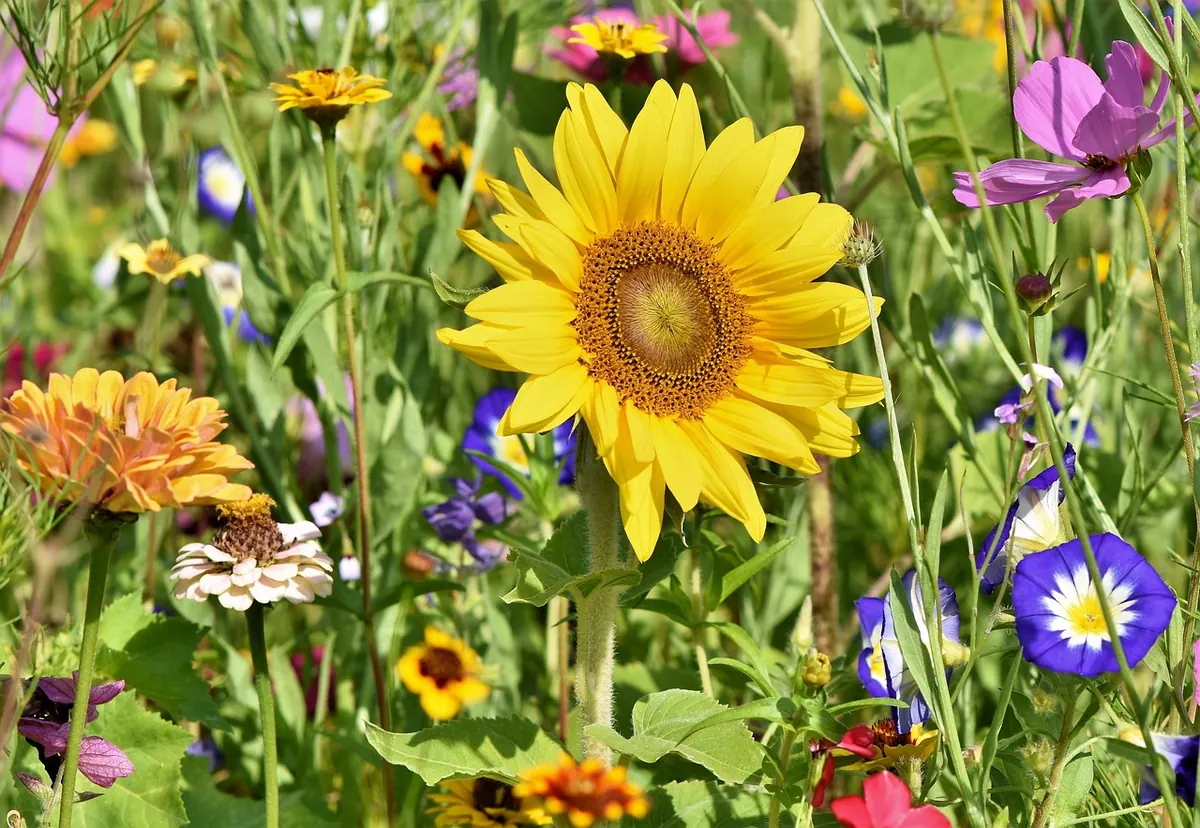
A window box, three pots by the back door, a strip of earth along the fence — none of these is too small for wildflowers. Small spaces suit them rather well, in fact. You can control the soil, which matters more than most people expect, and you can see what is thriving without squinting across a field. What you do not need is a meadow. Meadows are beautiful and genuinely difficult to keep going. What you need is a short list of species that match your light, your soil and the size of the pot you are prepared to water.
Native plants — species that occur here naturally rather than being bred or introduced — have spent a long time adapting to British weather and British insects. Many have simple, open flowers, so nectar and pollen are easy to reach. Heavily double-flowered garden varieties can look spectacular and offer pollinators almost nothing.
The second advantage is thrift. Most of our wildflowers evolved on poor, thin, freely drained ground. They do not want rich compost or weekly feeding. That suits containers, where overfed plants make flabby leaves and few flowers. Anyone who forgets to feed their pots is, for once, at an advantage.
One caution before you buy: read the species list on any wildflower mix. Some blends are designed for farmland and include vigorous plants that will swamp a small bed. If you want bluebells, buy bulbs from a reputable supplier and never dig plants from the wild.
You can grow dozens of species in containers, but these are the ones that behave themselves and earn their space.
Red campion (Silene dioica), wood anemone (Anemone nemorosa) and foxglove will all cope with half shade, though they flower best with a few hours of sun. Native bluebells need years to settle and want more room than most pots allow; grow them in a bed under trees, or not at all.
Most wildflowers want lean, gritty, free-draining ground. Standard multipurpose compost is too rich and holds too much water, so plants make soft growth that flops and mildews.
A reliable mix is roughly two parts peat-free multipurpose to one part horticultural grit or sharp sand, plus a handful of garden soil if you have it. The soil brings structure and the fungi that compost alone lacks.
Check for drainage holes and raise pots on feet so water can escape. Aim for at least six hours of sun for everything except the shade list.
Timing matters more than technique. Autumn sowing is often better than spring for perennials: the seed gets the cold spell it needs and germinates when the soil warms.
The hardest part of growing from seed is not killing your own plants. Label everything, sow in blocks or rows, and wait until you can clearly see true leaves before you hoe or pull anything.
Watering. Beds need little once established; containers need attention, sometimes daily in a heatwave. Water in the morning and soak rather than sprinkle.
Feeding. Don't, or at most top-dress with a centimetre of garden compost in spring. High-nitrogen feed gives you leaves instead of flowers.
Cutting back. Leave seed heads and hollow stems standing over winter — they feed birds and shelter insects. Cut perennials back in early spring, just as new growth starts. Deadhead a few plants to keep flowers coming; leave others to set seed.
Dividing and repotting. Lift and split crowded perennials every few years in autumn or spring, and refresh container compost every year or two.
Weeds. This is where small patches are won or lost. Dig out bindweed, couch grass and ground elder completely — they will out-compete your wildflowers without mercy. Mulch beds with compost or leafmould, keeping it clear of stems, and hoe on a dry morning.
Expect a mix to be uneven. Two or three species will dominate in the first year while others vanish. That is normal. Edit as you go rather than starting again.
Start with three things. Fill a window box with bird's-foot trefoil, selfheal and wild marjoram. Sow cornflower seed direct into a three-litre pot in April and thin to three plants. In autumn, sow ox-eye daisy and viper's bugloss into a sunny bed or a large pot, then leave them alone over winter.
Buy seed from suppliers who state British provenance, keep a note of what germinated and when, and resist the urge to tidy too much. Native wildflowers settle in slowly, and then in their second year you will wonder why you bothered with anything else.
Photo: Ralphs_Fotos / Pixabay
Previous Post
Common Mistakes When Watering Indoor Plants in Winter
Next Post
Plant Hormones Explained: Auxin, Cytokinin and Gibberellin in Plain English