How to Test Your Soil pH at Home Without a Kit: A Red Cabbage Indicator Guide
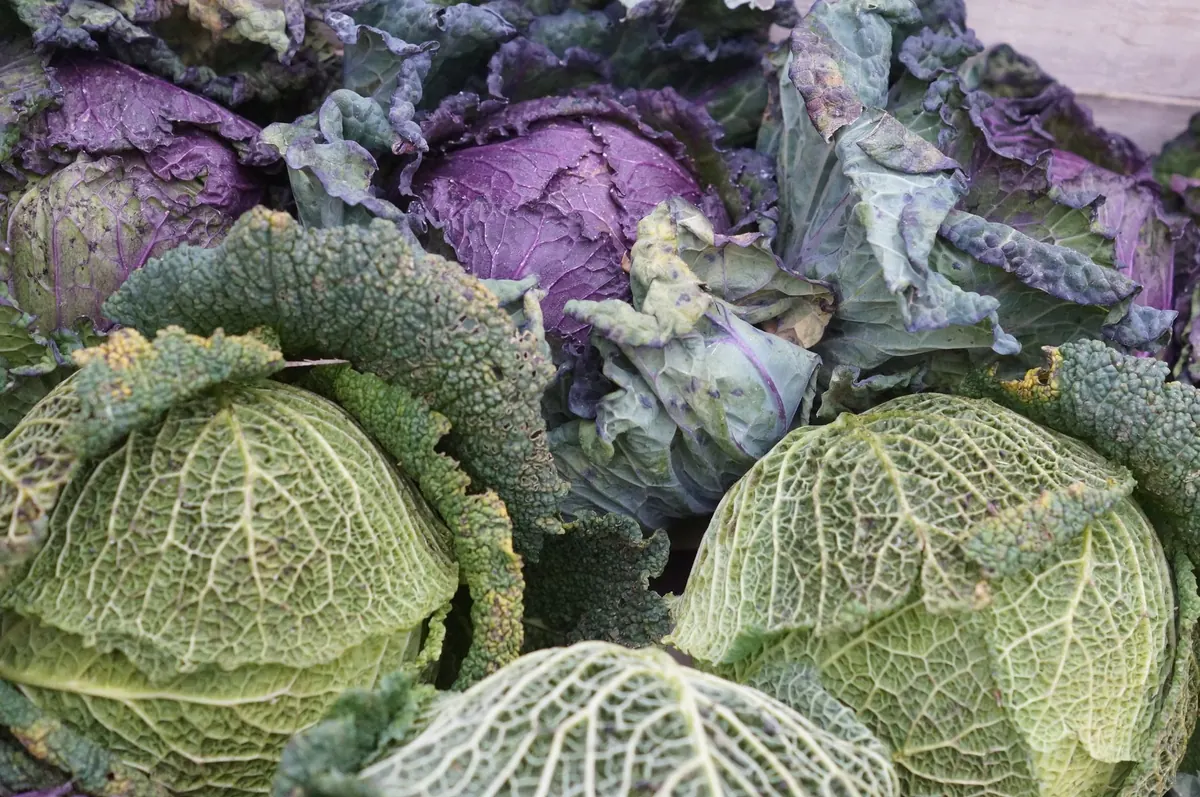
Soil pH decides more than most of us give it credit for. It governs which nutrients roots can actually take up, and it explains why a rhododendron sulks in one border while lavender a few metres away looks entirely at home. There are plenty of meters and kits for sale, but you can get a workable reading from a red cabbage, a pan of water and a couple of clean jars. You will not get a decimal point out of it. You will get a clear sense of which side of neutral your soil sits — which is the answer most planting decisions actually need.
pH runs from 0 to 14, with 7 neutral. Most UK garden soils sit between about 5 and 8. Peaty and heathland soils tend towards the acid end; chalk and limestone areas sit firmly alkaline. The reason it matters is nutrient availability. Iron and manganese become harder for roots to take up as pH rises, which is why acid-lovers planted on chalk yellow between the veins even when they are fed. Work outside roughly pH 5.5 to 7.5 and a few nutrients start to lock up no matter how generous you are with the fertiliser.
Why distilled? Tap water varies enormously across the UK, and the hard water of much of southern and eastern England is alkaline enough to drag your reading upwards. Rainwater is slightly acidic, so it skews things the other way. Distilled water gives you a neutral starting point.
The pigment responsible, anthocyanin, changes shape with pH, and that is the whole trick. Warm, your indicator should look purple. If it is already reddish, your water was acidic.
Skip the surface layer, which dries out and collects debris. Take soil from 10–15cm down, from four to six spots across the bed, then tip it all into a bucket, mix it and pick out stones, roots and worms. From that mixed sample, put two tablespoons of soil into a jar and add two tablespoons of distilled water. Screw the lid on, shake hard, then leave it for 20 to 30 minutes. Shake once more and let the solids settle.
For a cleaner reading, filter the cloudy water through a coffee filter, or draw the top liquid off with a pipette — soil colour and floating grit are the main things that ruin a result. Add an equal volume of cabbage indicator, swirl, and give it a minute to react.
Test one sample per bed rather than one per garden. A border that has been limed annually can easily read a point higher than the vegetable patch fifteen metres away.
Make a reference set rather than relying on memory. Three small jars of indicator: one with a squeeze of lemon juice, one plain, one with a pinch of bicarbonate of soda. Cabbage batches differ, dilution matters, and kitchen lighting plays tricks on the eye. Comparing your soil jar side by side with those three against white paper is far more reliable than matching a colour from a photograph. If you are colour-blind or simply unsure, ask someone else to look — the differences are genuinely subtle in the middle of the range.
This is a band, not a number. It will not distinguish pH 6.2 from 6.6, though for most shrubs that distinction is irrelevant. It also struggles at the extremes: heavily chalky soils buffer strongly, and soils rich in organic matter hold their pH in ways a jar test reads imperfectly. Coloured soil, debris and a pale indicator all muddy the result. If you are planning something fussy — blueberries, a large planting of ericaceous shrubs, or correcting a lawn — pay for a proper laboratory test. You will get numbers and a recommendation, and it will be money well spent.
Acid to neutral. Rhododendrons, camellias, pieris, heathers, magnolias, Japanese maples and blueberries will be comfortable, as will potatoes, which prefer a slightly acid soil. Most vegetables and herbaceous perennials are perfectly happy between 6 and 7.
Alkaline. Brassicas — cabbages, sprouts, broccoli — crop well here, and so do clematis, lavender, rosemary, thyme, lilac and buddleja. Acid-lovers will struggle, and feeding will not fix it. Growing them in containers of ericaceous compost is the practical workaround.
You can nudge soil one way or the other, but only slowly. Garden lime raises pH; sulphur and repeated mulching with acidic material lower it. Raising or lowering by more than about half a point in a season is rarely achievable and rarely wise, so work with the soil you have. Follow the product instructions carefully if you do amend, and keep lime well away from acid-lovers.
Test at the same point each year — early spring, before planting, is ideal — and note the colour and the date in a notebook. Retest the beds you have limed or mulched heavily, because those are the ones that will shift. Keeping a jar of indicator in the fridge through the growing season turns a vague worry about a sulking plant into something you can answer in twenty minutes with a cabbage and a glass of water.
Photo: Amelie Lachapelle / Pexels